
The Future of Global Technology in 2026: Innovation, Risks, and Opportunities
The Future of Global Technology in 2026: Innovation, Risks, and Opportunities
Introduction
Technology continues to shape the global economy, politics, and daily life at an unprecedented pace. In 2026, innovation is accelerating across artificial intelligence, renewable energy, cybersecurity, and digital infrastructure.
This article explores the most significant technological trends of 2026, their economic implications, and the challenges governments and businesses must address.
Artificial Intelligence Expansion
Artificial intelligence (AI) is now integrated into industries such as healthcare, finance, education, and manufacturing. Companies are investing heavily in automation and predictive analytics to improve efficiency and reduce costs.
However, the rapid growth of AI also raises important questions about job displacement, data privacy, and regulatory frameworks.
Governments worldwide are discussing balanced policies that encourage innovation while protecting workers and consumers.
Renewable Energy and Green Technology
As climate concerns intensify, renewable energy technologies are becoming more advanced and affordable. Solar, wind, and battery storage systems are expanding in both developed and developing nations.
Green technology not only addresses environmental concerns but also creates new economic opportunities and employment sectors.
Countries investing in sustainable infrastructure may experience long-term economic benefits.
Cybersecurity Challenges
With increased digitalization comes greater vulnerability. Cybersecurity threats remain a major concern for governments, corporations, and individuals.
In 2026, cybersecurity strategies focus on:
Advanced threat detection
International cooperation
Stronger digital regulations
Protecting digital infrastructure has become essential for national security and economic stability.
The Global Digital Divide
Despite rapid innovation, access to technology remains unequal. Many developing regions still face limited internet access and digital infrastructure.
Bridging the digital divide is critical for ensuring inclusive growth. International partnerships and investments in connectivity can help reduce inequality.
Economic Implications
Technology drives productivity and global competitiveness. Nations that invest in innovation, research, and education are more likely to benefit from economic expansion.
At the same time, businesses must adapt quickly to changing technological landscapes to remain competitive.
What to Expect Next
Experts predict:
Increased AI regulation frameworks
Faster digital transformation in public services
Expansion of green energy investments
Greater focus on cybersecurity resilience
Collaboration between governments, the private sector, and international organizations will play a key role in shaping the future.
Conclusion
The technological landscape of 2026 presents both remarkable opportunities and complex challenges. Innovation has the potential to drive economic growth and improve living standards worldwide.
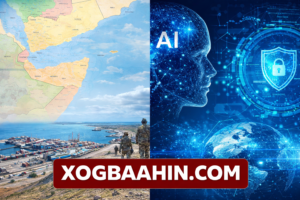
Emerging global technology trends shaping 2026.
However, responsible governance, ethical development, and inclusive access will determine whether these advancements benefit all sectors of society.
Nagala Soo Xiriir
contact@xogbaahin.com-
“Horn of Africa Ports: A Key Driver of Regional Trade and Economic Growth”March 13, 2026
-
Security Developments in the Horn of Africa 2026: Stability, Cooperation, and ChallengesFebruary 24, 2026
-
Global Powers and Africa in 2026: Strategic Competition and Economic OpportunityFebruary 19, 2026
-
The Digital Economy in 2026: Innovation, Remote Work, and Global OpportunitiesFebruary 17, 2026
-
Global Energy Markets in 2026: Oil Price Volatility and Economic ImpactFebruary 16, 2026
-
The Future of Global Technology in 2026: Innovation, Risks, and OpportunitiesFebruary 15, 2026
-
Rising Tensions in the Middle East: Causes, Global Impact, and What Comes NextFebruary 14, 2026
-
Life Pressure and Mental StressFebruary 6, 2026
-
Building a Value-Based SocietyFebruary 6, 2026
-
How Many People Worldwide Live With Mental Disorders?February 6, 2026
-
Mental Decline / Cognitive DeclineFebruary 6, 2026
-
Life Organization: Mental Freedom, Not Rigid SchedulesFebruary 2, 2026
-
Self-StudyFebruary 1, 2026
-
Types of Stress: A Scientific PerspectiveJanuary 31, 2026
-
“Even If I Lose Everything, I Still Have You”January 31, 2026
-
Marriage Among Somali WomenJanuary 31, 2026