

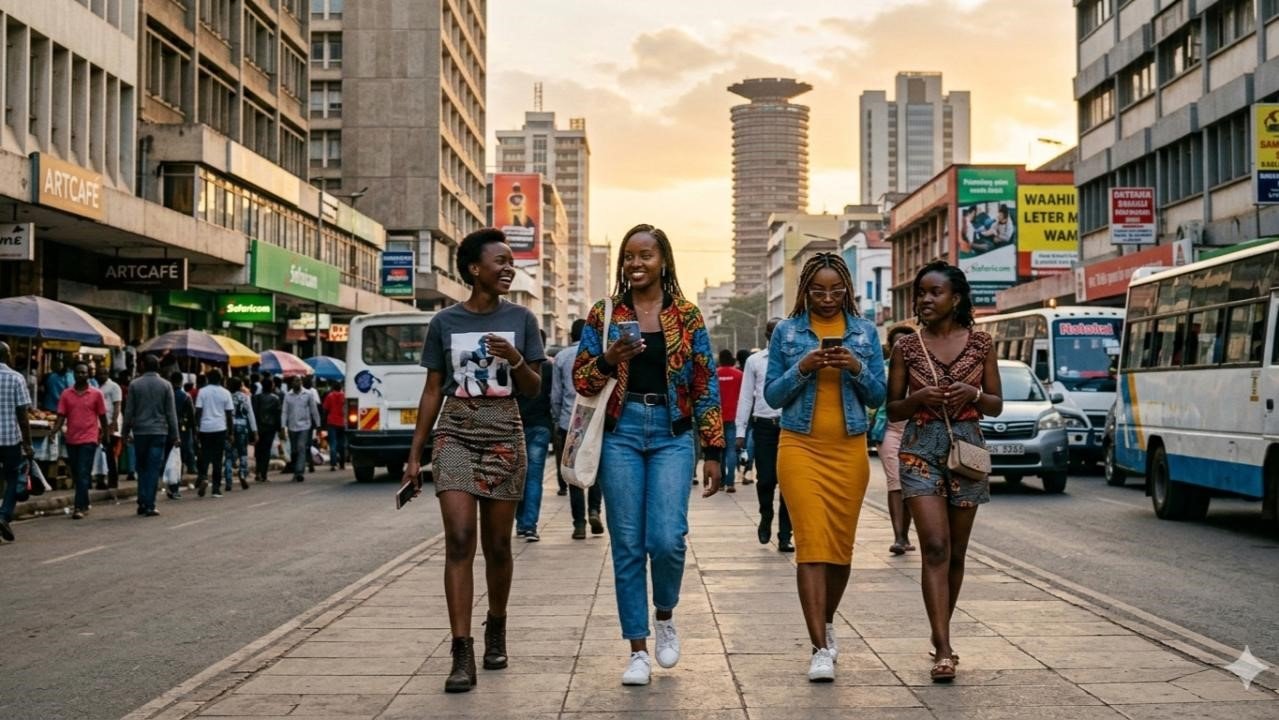

Explore how Africa's rapidly growing cities are changing modern life while facing challenges related to housing, jobs, transportation, infrastructure and public services.
African cities are expanding rapidly as millions of people move from rural areas to urban centers in search of employment, education, healthcare, and economic opportunities.
Rapid urban growth is bringing new developments, including modern buildings, expanding businesses, digital services, and improved transportation networks. Major African cities are increasingly becoming centers of commerce, innovation, and entrepreneurship.
However, rapid urbanization also creates significant social challenges. Traffic congestion, housing shortages, unemployment, inadequate public services, and unequal access to infrastructure remain major concerns in many cities.
Access to clean water, reliable electricity, sanitation, healthcare, and affordable housing remains essential for improving the quality of urban life.
Young people are playing an increasingly important role in shaping Africa’s cities. Small businesses, digital services, and online employment are creating new opportunities for a growing generation of urban residents.
Urban planners and development experts emphasize the importance of long-term planning to prepare cities for continued population growth. Investment in transportation, housing, public services, and infrastructure will be essential.
If African cities can combine economic growth with effective urban planning and inclusive public services, they have the potential to become major centers of economic opportunity and innovation.