
Global Energy Markets in 2026: Oil Price Volatility and Economic Impact
Global energy markets remain one of the most influential forces shaping economic stability in 2026. Oil prices continue to fluctuate due to geopolitical tensions, production policies, and global demand shifts.
Understanding these changes is essential for governments, businesses, and consumers alike.
Key Drivers of Oil Price Volatility
-
Supply and Demand
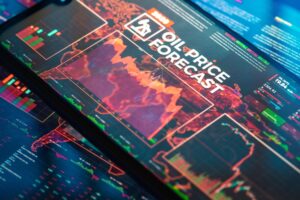
Global oil market volatility 2026 economic impact
Oil prices are primarily determined by global supply and demand. When economic growth increases industrial activity and travel, demand rises. Conversely, economic slowdowns can reduce consumption.
-
Geopolitical Uncertainty
Political instability in major oil-producing regions can disrupt supply chains. Even the possibility of disruption often influences market expectations and pricing.
-
Production Policies
Energy-producing nations sometimes adjust output levels to stabilize markets. Production cuts or increases significantly affect global prices.
Impact on Developing Economies
Developing nations that rely heavily on imported fuel are particularly vulnerable to price increases. Rising oil prices often lead to:
Higher transportation costs
Increased food prices
Inflationary pressure
These effects can slow economic growth and strain public finances.
Transition to Renewable Energy
In response to oil price volatility, many countries are accelerating investments in renewable energy sources such as solar and wind power.
Diversifying energy sources can reduce dependence on imported oil and enhance long-term economic resilience.
Outlook for the Remainder of 2026
Experts anticipate continued fluctuations in oil markets. However, improved global coordination and energy diversification efforts may help moderate extreme volatility.
Businesses and policymakers are increasingly focused on long-term sustainability strategies rather than short-term price reactions.
Conclusion
Oil price volatility remains a critical issue in 2026. While geopolitical factors and supply-demand dynamics continue to drive fluctuations, long-term energy diversification offers a path toward greater economic stability.
Countries that invest in balanced energy strategies are likely to navigate market uncertainty more effectively.
Nagala Soo Xiriir
contact@xogbaahin.com-
“Horn of Africa Ports: A Key Driver of Regional Trade and Economic Growth”March 13, 2026
-
Security Developments in the Horn of Africa 2026: Stability, Cooperation, and ChallengesFebruary 24, 2026
-
Global Powers and Africa in 2026: Strategic Competition and Economic OpportunityFebruary 19, 2026
-
The Digital Economy in 2026: Innovation, Remote Work, and Global OpportunitiesFebruary 17, 2026
-
Global Energy Markets in 2026: Oil Price Volatility and Economic ImpactFebruary 16, 2026
-
The Future of Global Technology in 2026: Innovation, Risks, and OpportunitiesFebruary 15, 2026
-
Rising Tensions in the Middle East: Causes, Global Impact, and What Comes NextFebruary 14, 2026
-
Life Pressure and Mental StressFebruary 6, 2026
-
Building a Value-Based SocietyFebruary 6, 2026
-
How Many People Worldwide Live With Mental Disorders?February 6, 2026
-
Mental Decline / Cognitive DeclineFebruary 6, 2026
-
Life Organization: Mental Freedom, Not Rigid SchedulesFebruary 2, 2026
-
Self-StudyFebruary 1, 2026
-
Types of Stress: A Scientific PerspectiveJanuary 31, 2026
-
“Even If I Lose Everything, I Still Have You”January 31, 2026
-
Marriage Among Somali WomenJanuary 31, 2026