

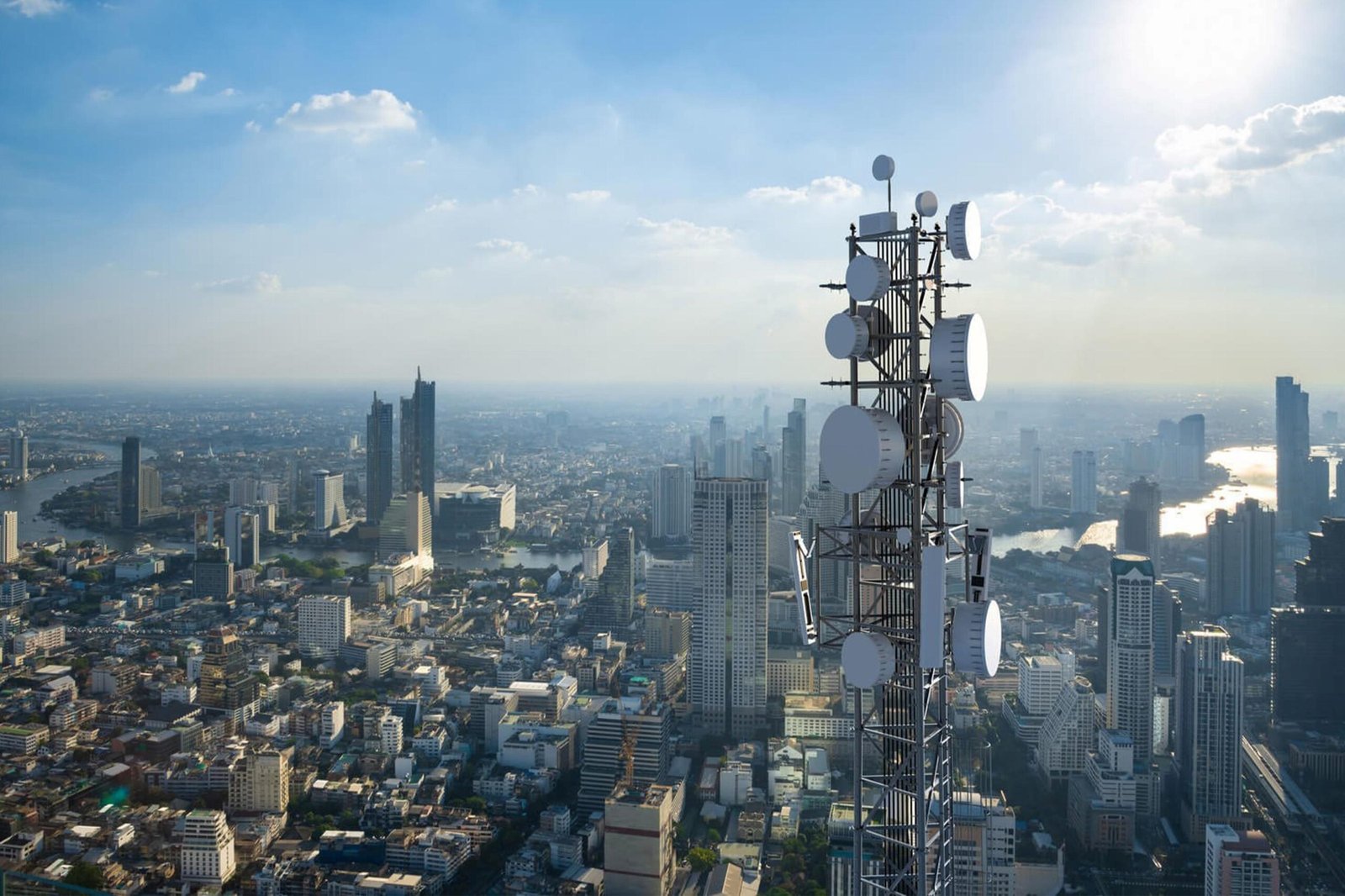

Fifth-generation (5G) wireless technology is transforming global communications by delivering significantly faster internet speeds, lower latency, and greater network capacity than previous generations.
Countries around the world continue to expand 5G infrastructure to support digital transformation, economic growth, and the increasing demand for connected devices. The technology is expected to become the backbone of future smart cities and digital services.
One of the biggest advantages of 5G is its ability to connect millions of devices simultaneously without compromising performance. This capability supports innovations such as autonomous vehicles, remote healthcare, industrial automation, and advanced cloud computing.
Businesses are increasingly adopting 5G to improve operational efficiency, enable real-time data processing, and enhance customer experiences. The technology also plays a crucial role in accelerating Artificial Intelligence (AI), the Internet of Things (IoT), and next-generation digital services.
Despite its potential, challenges remain. High infrastructure costs, cybersecurity concerns, and unequal deployment across rural and urban areas continue to slow adoption in some regions.
Experts believe that as global investment in 5G networks continues, the technology will become a key driver of innovation, economic development, and digital connectivity throughout the coming decade.